Regenerative Agriculture Action and Enhanced Rock weathering

Project Description

The program seeks to create an economically viable as well as sustainable farming eco-system system that would ensure sustainable livelihood while reducing climate risk and over dependence on chemical inputs in agriculture along with enabling carbon sequestration. Bandhan Climate Action Program (BCAP) team along with EELAB Agro Pvt. Ltd supported by Bandhan Bank CSR is working on climate smart agriculture and village concept with local farmers in Blocks in Purulia district.

Bandhan Konnagar

Bandhan-Konnagar (BK) or as largely known as Bandhan is a not-for-profit organization, registered under West Bengal Societies Registration Act, 1961, began its journey in 2001, with the aim of women empowerment and poverty alleviation. Currently working in 13 states of the country on health, education, poverty, financial literacy, nutrition, and livelihood skills Bandhan Climate Action Program (BCAP) has been launched in 2021 with aim to reduce impact of climate change on communities and the country.

Project Type

The Bandhan Climate Action Program

Region

Purulia, West bengal, India

Key Objectives

Community Based Innovative Agriculture Development Initiatives for Increased Climate Resilience of marginal farmers

  • Create Climate smart Villages
  • Rejuvenation and increased soil fertility
  • Water management
  • Increase farmer income
  • Use modern technology for carbon sequestration through agriculture practices
  • Create awareness about Climate Change in agriculture and use of technology in agriculture - Regenerative agriculture andEnhanced Rock weathering

Minimize soil disturbance

Plants in the ground year round

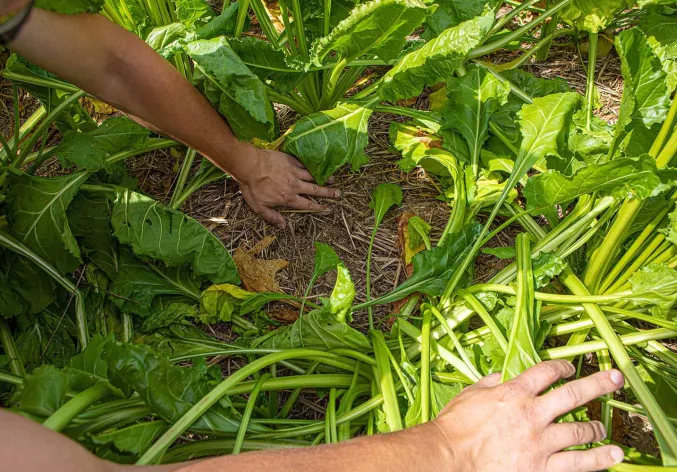
Soil health improves when crops are kept in the ground year-round. Regenerative agriculture farmers plant a different crop immediately after harvest, often alternating cash crops and cover crops. This green cover shades the soil and the roots dig into it, increasing moisture.

  • Principle: Year-round plant coverage prevents soil erosion and increases carbon inputs
  • Practices: Growing cover crops, double cropping

Diversify crops in time and space

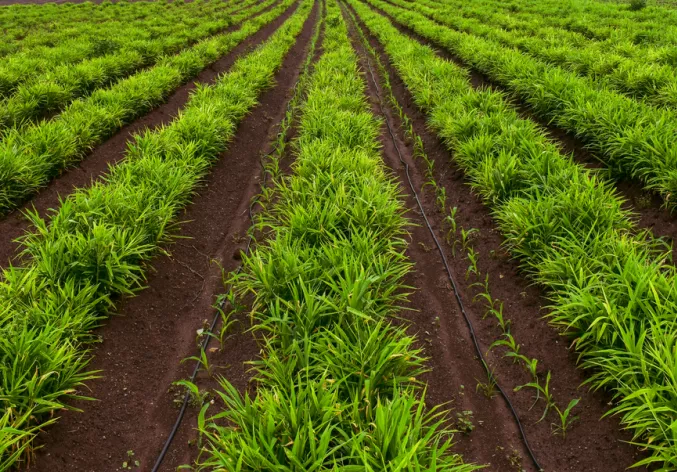
Planting the same crops on the same fields, year after year, strips soil of nutrients and allows pests and weeds to flourish. In regenerative agriculture, farmers rotate different types of crops over time. This helps limit pest infestations and nourishes beneficial microbes in the soil with a more diverse diet. Rotating between nitrogen-fixing crops like soybeans and nitrogen-hungry crops like corn can reduce the need for fertilizers.

  • Principle: Diversifying crops in space and time supports resilience, productivity, and diversity
  • Practices: Crop rotation, interseeding, relay planting and biodiversity strips or agroforestry

Optimize application of chemical inputs

Data-driven precision farming is a key part of regenerative agriculture. Farmers use digital tools, like soil-scanning sensors, to create detailed field maps and tailor applications of crop protection products and fertilizers. This leads to using only the optimal amount and the right type of product needed for a productive crop. Biologicals complement this by offering farmers more flexibility and a broader range of tools that support productivity and sustainability.

  • Principle: Reducing chemical inputs
  • Practice: Leveraging precision agriculture and complementing with Biologicals

Can regenerative agriculture reverse climate change?

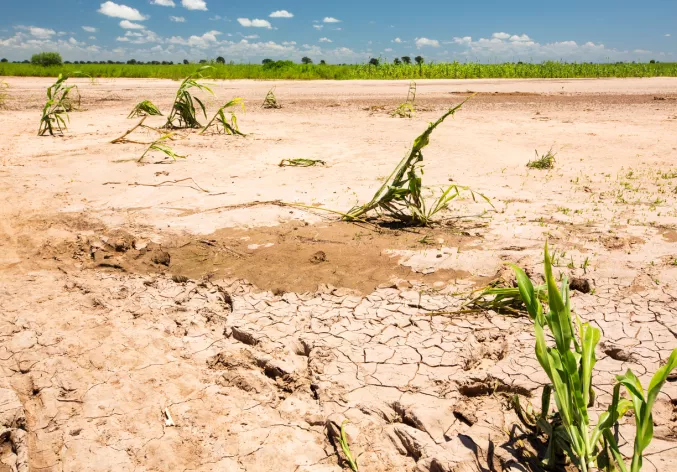
Around 22% of anthropogenic greenhouse gases come from agriculture, forestry, and other land uses, according to the Intergovernmental Panel on Climate Change (IPCC). One model also estimates that agricultural land use has contributed significantly to the loss of carbon from the soil over 12,000 years – 133 Pg C from the top 2 meters of soil, or 8% of total global carbon soil stocks.

Yet soils are one of the Earth’s most important carbon sinks, holding more carbon than all of the world’s vegetation plus our atmosphere combined. When practices that maximize carbon inputs to soils, such as planting cover crops, are combined with practices that minimize carbon losses, like no-till, soils can sequester significant amounts of carbon each year. Regenerative agriculture has the potential to transform agriculture from a source of greenhouse gases towards net carbon drawdown.

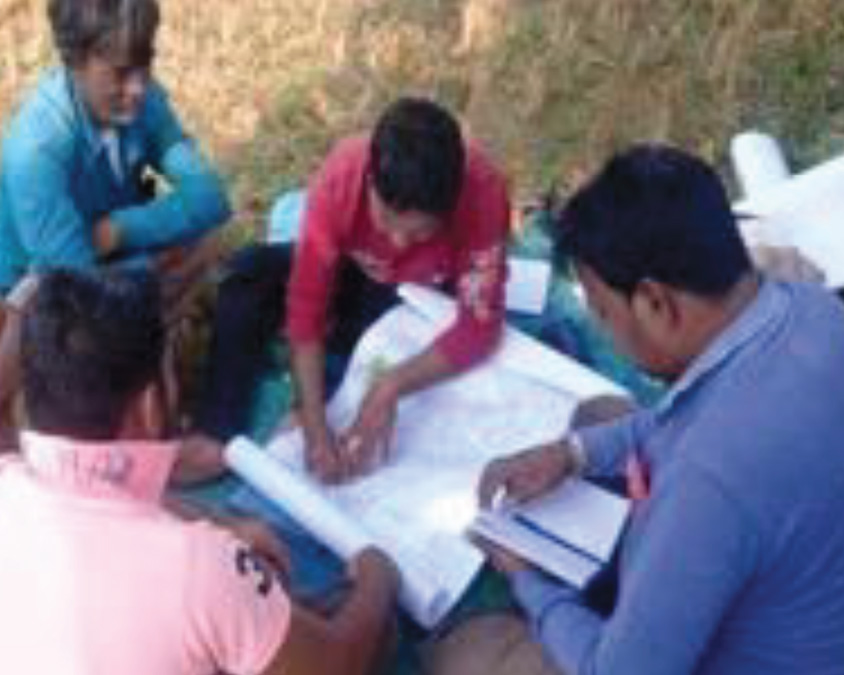
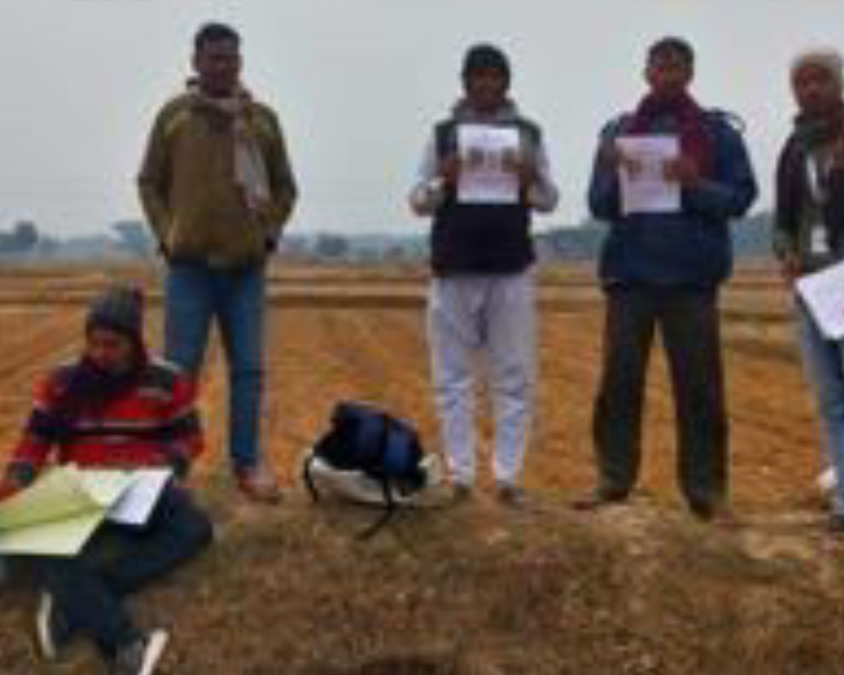
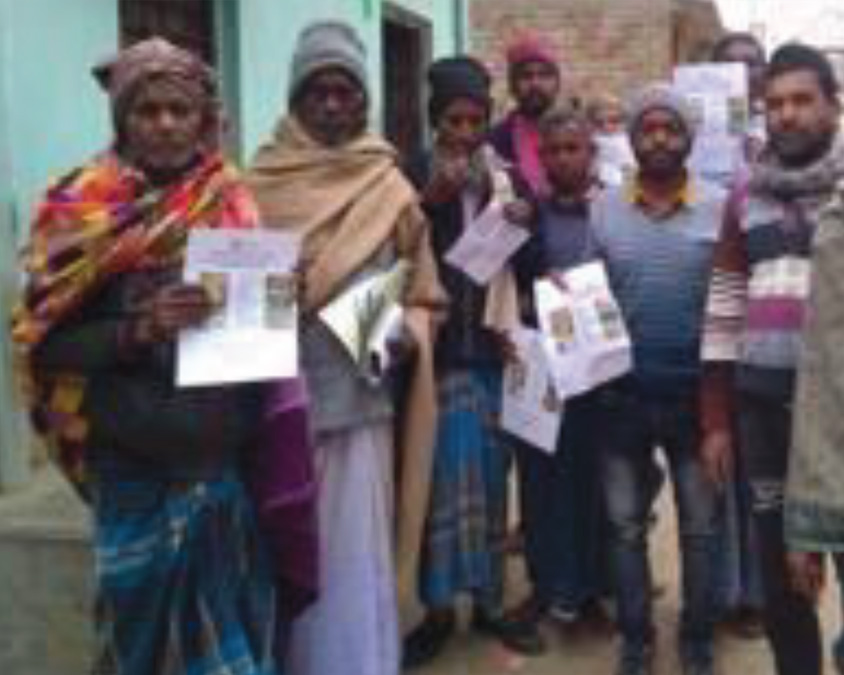
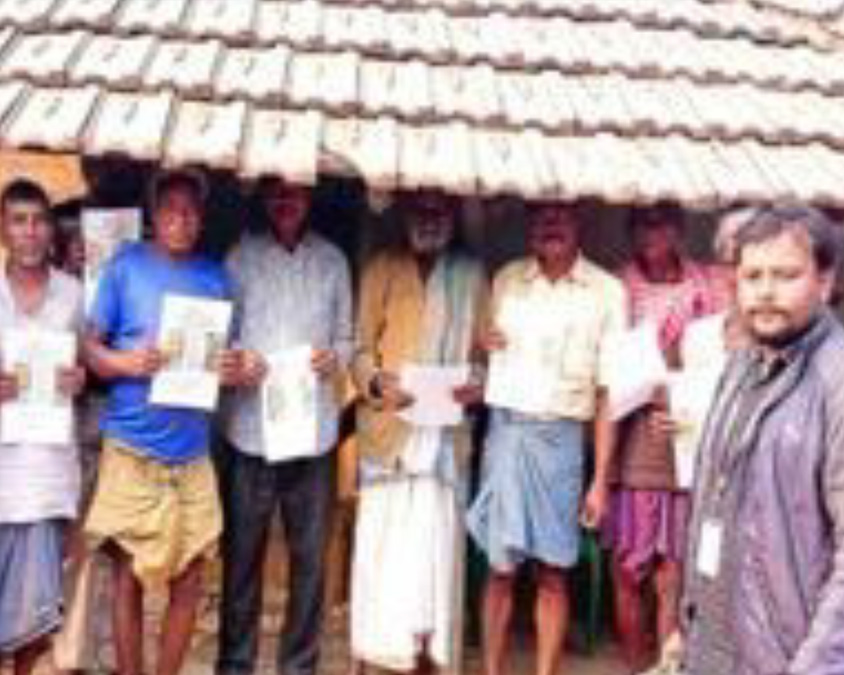
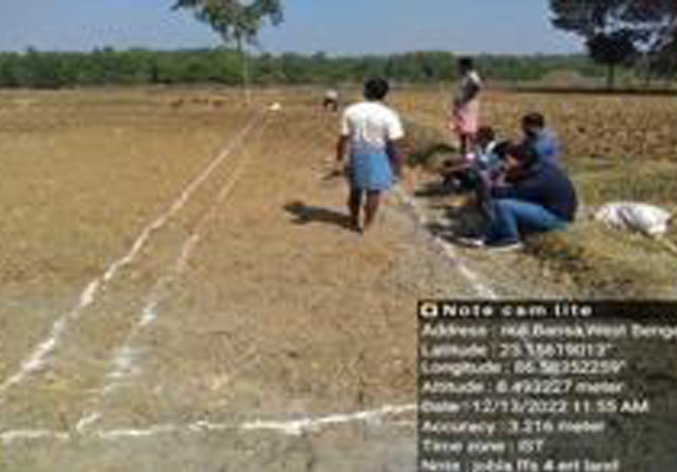
Meetings and FFS Trainings

...

Manpur FFS1, FFS2

...

JABLA FFS4, FFS5, FFS6

...

Bhalubasa FFS7, FFS8

...

Chepua FFS9, FF10-

...

Metyala FFS11

...

Bhalubasa FFS12

Impact-5 Sustainability Development Goals

Regenerative Farming Practices

Minimize soil
disturbance

Plants in the ground year-round

Diversify crops in time and space

Precision application of biological and chemical inputs

Integrate livestoke
when
possible